Photo: Vladimir Pankratov, CC BY-SA 4.0
We run four Kakheti day routes: Sighnaghi and Bodbe; Ujarma to Alaverdi; Nekresi, Gremi and Telavi; and Gurjaani and Zegaani. Sighnaghi and Bodbe is best for a first visit, the Alaverdi route for monastery lovers, Gremi and Telavi for history fans, and Gurjaani and Zegaani for people who have already seen the classic sights.
What all four routes have in common
All four tours leave Tbilisi at 08:00 and are back at about 23:00. We travel by minibus with a tour escort. The tours run in any weather and are postponed only if there is a problem with the road. Walking is light on every route, mostly around the sites and town streets.
1. Sighnaghi and Bodbe: for a first visit
Route: Ninotsminda monastery complex, Manavi Fortress, the Bodbe Convent of St Nino and Sighnaghi.
- Ninotsminda Cathedral was built around 575. It collapsed after earthquakes in 1824 and 1848, and only the eastern apse and part of the western wall survive. The bell tower dates from the 16th century, the reign of King Levan.
- Bodbe Monastery stands, by tradition, over the grave of St Nino. The first monastery was built in the 9th century, and today it is a convent about 2 km from Sighnaghi.
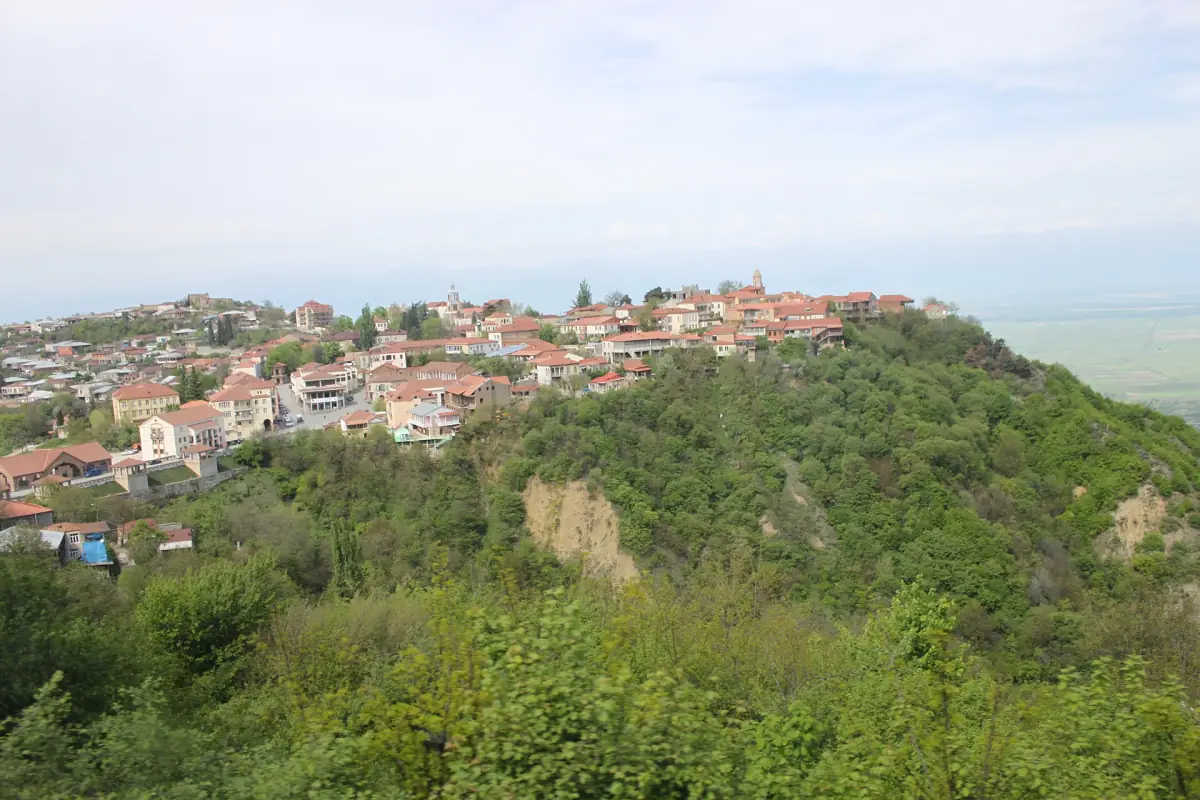
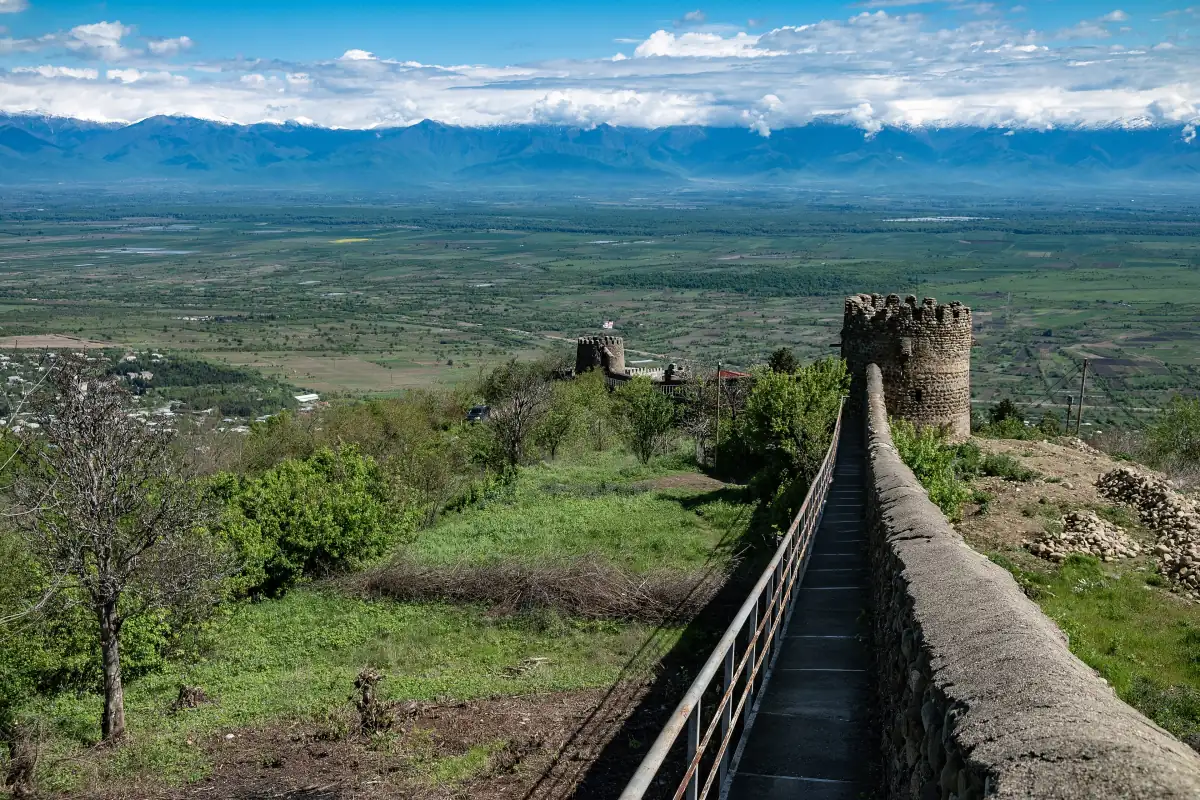
- Sighnaghi is about 113 km from Tbilisi. The town is ringed by remains of 18th-century walls and looks out over the Alazani Valley. It is known as the 'City of Love'.
Who it suits: first-time visitors to Kakheti, families and older travellers. You get time to stroll the streets of Sighnaghi and enjoy the views. Meals are not included on this tour.
2. Ujarma to Alaverdi: the classic monasteries
Route: Ujarma fortress-town, Gombori Pass, Shuamta convent and monastery, Ikalto monastery complex, Tetri Giorgi and Alaverdi. The road crosses the Gombori range: from Tbilisi to Telavi this way is about 96 km, compared with about 156 km on the main highway.
- Ujarma fortress stands 4 km north of Ujarma village, near the Gombori Pass. It dates to the reign of King Aspagur (3rd-4th centuries) and was later strengthened by Vakhtang Gorgasali.
- Old Shuamta has a 5th-century basilica and two 7th-century domed churches. New Shuamta was founded by the wife of King Levan.
- The Academy of Ikalto was founded between the 11th and 13th centuries. Its first rector was Arsen of Ikalto.
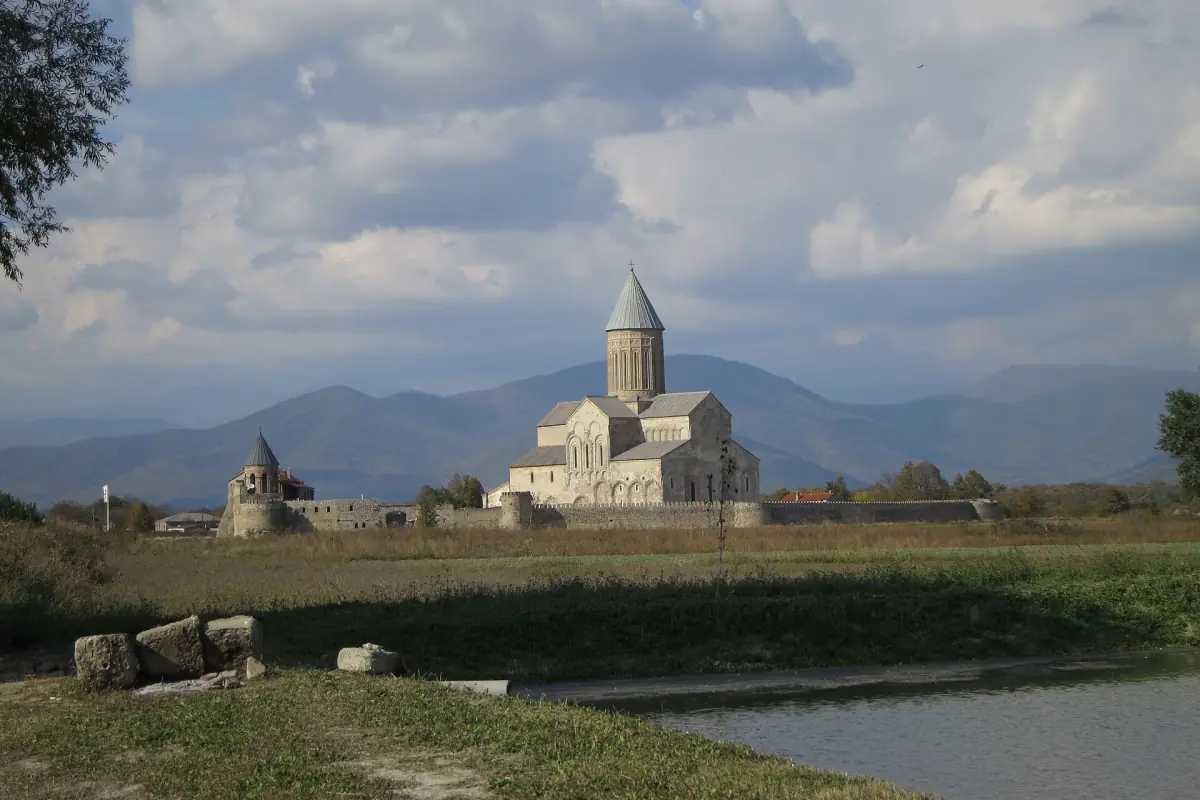
- Alaverdi's Cathedral of St George was built in the 11th century under King Kvirike III of Kakheti. It is over 55 m tall and was the tallest church in Georgia until 2004.
Who it suits: people who love churches, old architecture and mountain-road views.
3. Nekresi, Gremi and Telavi: the Kakhetian kingdom
Route: Nekresi monastery complex, Ilia Lake, Gremi and the Batonis Tsikhe complex in Telavi.
- Nekresi Monastery stands on a hill in the foothills of the Greater Caucasus, between Kvareli and the village of Shilda. Monastic life here began in the 6th century, and the monastery is still active. It is linked to Abibos of Nekresi, one of the Thirteen Assyrian Fathers.
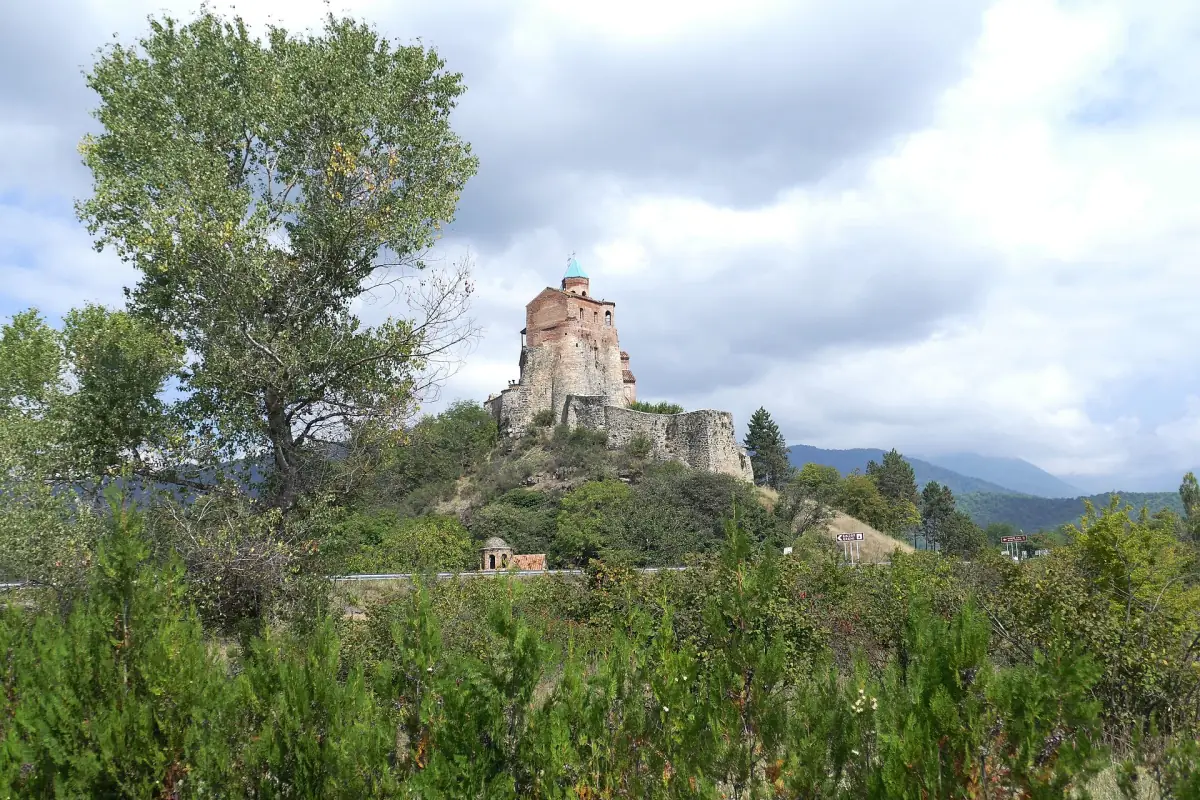
- Gremi was the capital of the Kingdom of Kakheti in the 16th and 17th centuries. King Levan built the Church of the Archangels in 1565. In 1615 the town was destroyed by the army of Shah Abbas I. The bell tower houses a museum.
- Batonis Tsikhe in Telavi is a 17th-century fortress and royal palace. King Erekle II was born and died in Telavi.
Who it suits: history lovers and anyone who wants to see Kakheti's old royal capitals. Nekresi Monastery is on a hill, so if uphill walking is hard for you, ask us before you book.
4. Gurjaani and Zegaani: lesser-known Kakheti
Route: Chailuri (Niakhura) Fortress (16th century), Gurjaani Kvelatsminda (8th-9th centuries), the Nato Vachnadze House-Museum, Ziari Lake, Zegaani Monastery (5th-9th centuries) and the Sanagire monastery complex (10th-11th centuries).
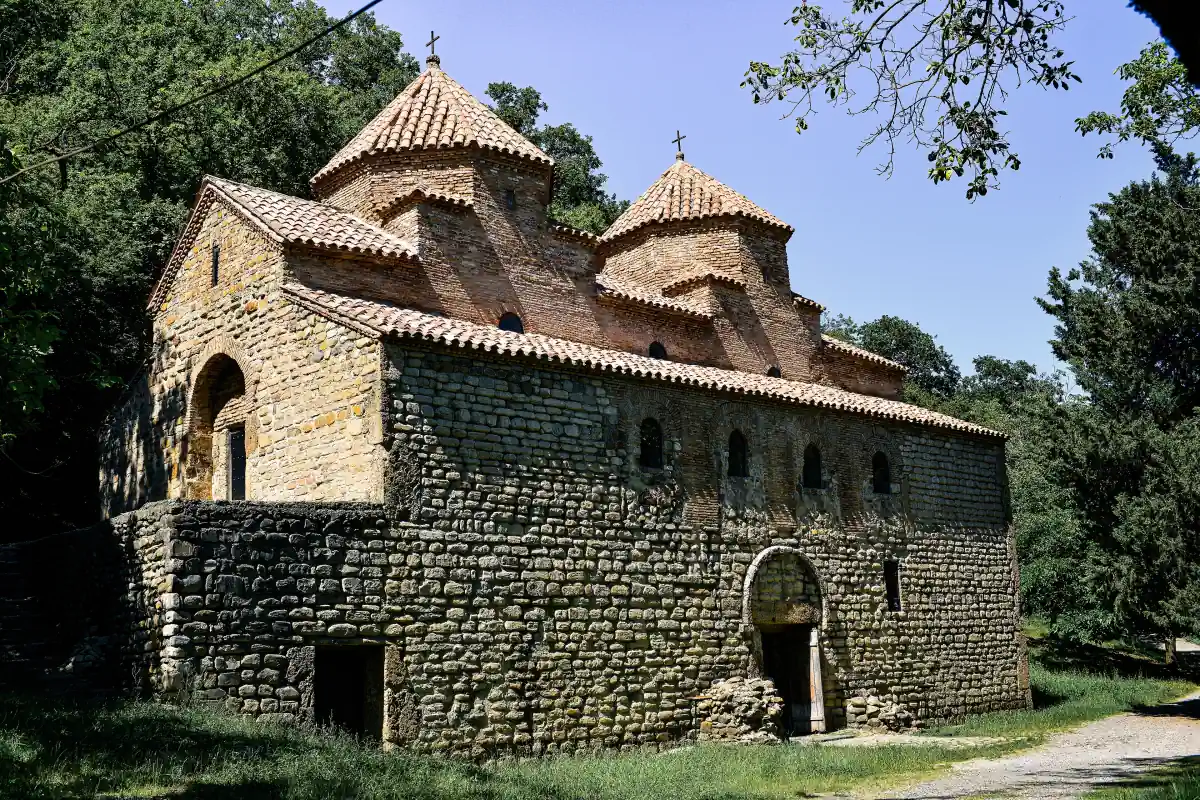
Gurjaani Kvelatsminda is the only surviving two-domed church in Georgia. This tour meets at Didube metro station.
Who it suits: people who have already seen Sighnaghi and Alaverdi and want another side of Kakheti, and fans of Georgian cinema, who will enjoy the Nato Vachnadze House-Museum.
Other day trips in Kakheti
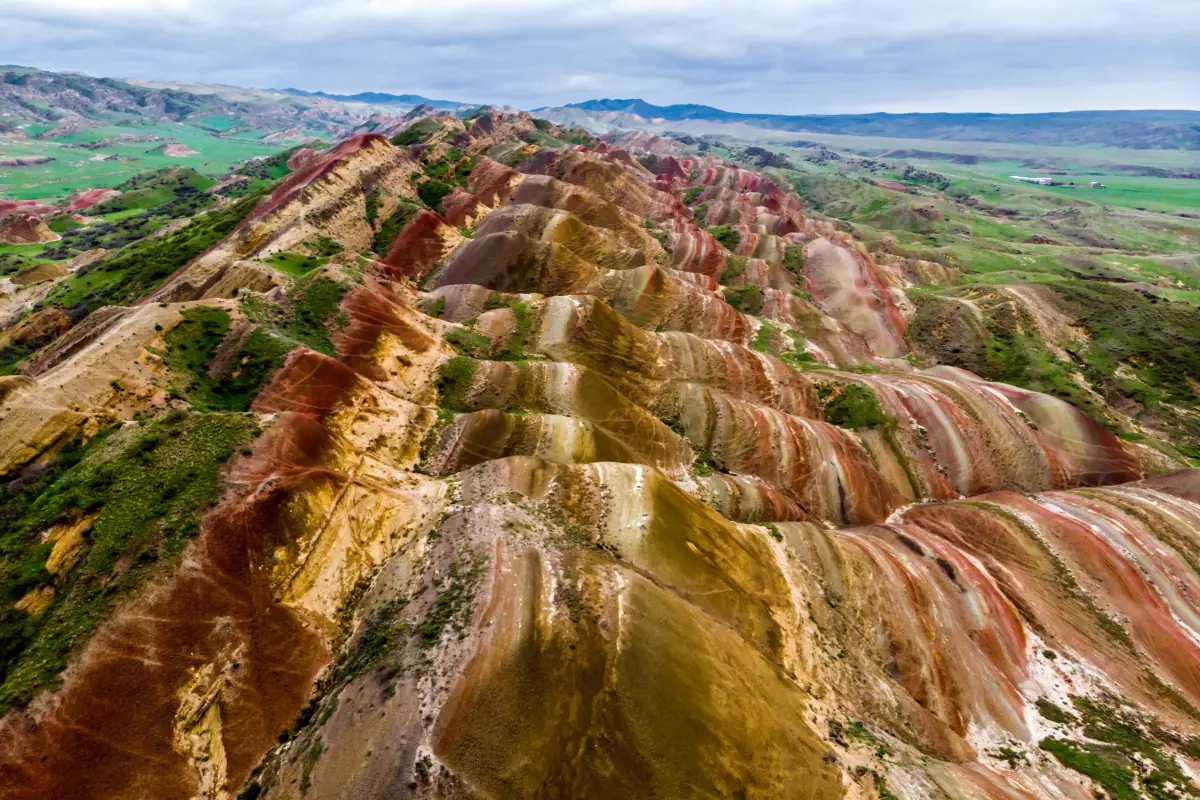
- David Gareja: the colourful desert tour (monasteries plus the Mravaltskaro colourful mountains, about 1 km of walking in total) or the Sabereebi cave monasteries.
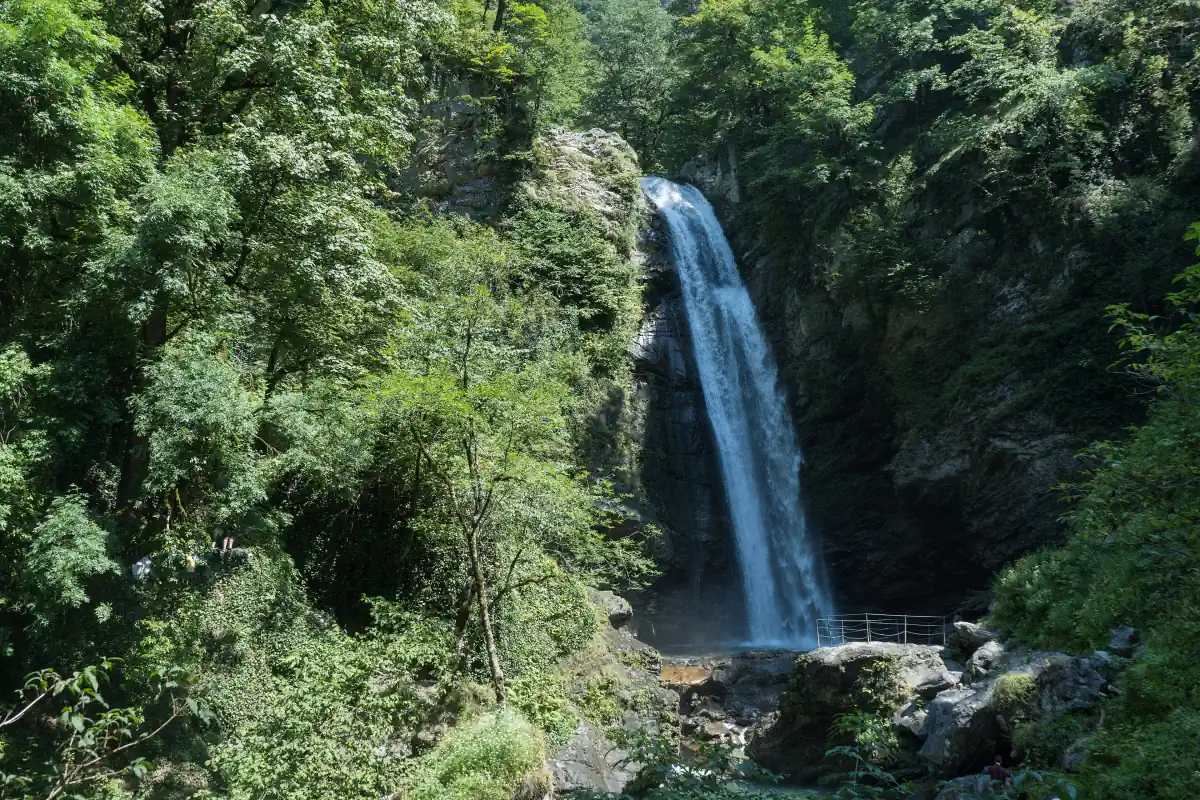
- Lagodekhi: a hike to the Ninoskhevi (Gurgeniani) waterfall, 8.3 km one way, medium and hard in places. This tour leaves at 07:00.
What to bring
- Comfortable shoes: monastery yards and Sighnaghi's streets have cobbles and slopes.
- For monasteries: a headscarf and skirt for women, long trousers for men.
- Water and money for food. Meals are not listed in the tour data.
- A hat and sunscreen in summer, a warm jacket in winter: the Gombori Pass is colder than Tbilisi.
What to do next
Pick a route, check the price and latest details on the tour page and book your seat early. If you plan to visit Kakheti more than once, start with Sighnaghi or Alaverdi, then do Gremi and Gurjaani.
Frequently asked questions
Which Kakheti tour is best for a first visit?
Sighnaghi and Bodbe: Ninotsminda, Manavi Fortress, Bodbe Monastery and Sighnaghi. There is little walking and it suits all ages.
What time do the tours leave and return?
All four routes leave at 08:00 and are back at about 23:00.
Do the tours run in bad weather?
Yes. The Kakheti tours run in any weather and are postponed only if there is a problem with the road.
Which tour includes Alaverdi?
The classic Kakheti route, together with Ujarma, Shuamta and Ikalto.
Are meals included?
Meals are not included on the Sighnaghi tour and are not listed for the others. Budget for food.
Sources
- Wikipedia: Sighnaghi (distance from Tbilisi, fortifications, Alazani Valley)
- Wikipedia: Bodbe Monastery
- Wikipedia: Ninotsminda Cathedral
- Wikipedia: Sagarejo Municipality (Ujarma fortress)
- Wikipedia: Old Shuamta
- Wikipedia: Academy of Ikalto
- Wikipedia: Alaverdi Monastery
- Wikipedia: Nekresi
- Wikipedia: Gremi
- Wikipedia: Telavi (Batonis Tsikhe, routes from Tbilisi)
- Wikipedia: Gurjaani Kvelatsminda Church